Expert Analysis: Why ISO 15765 Still Matters in Mixed Protocol Fleets
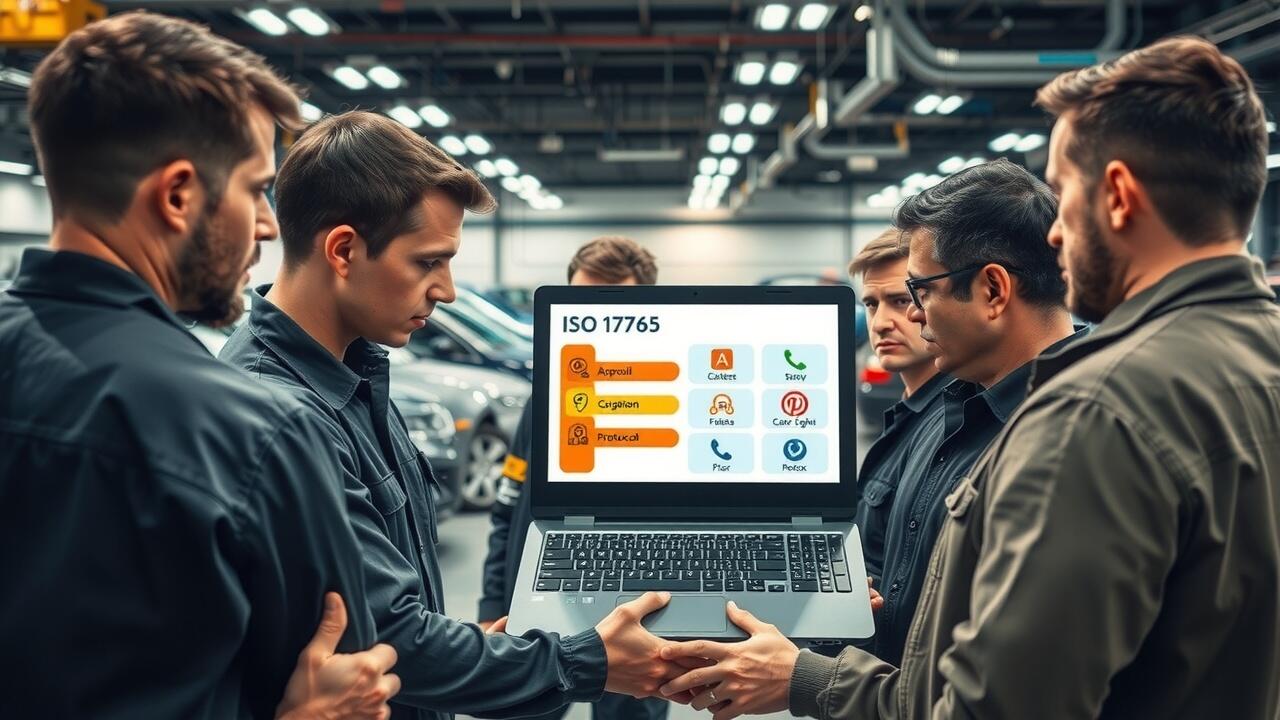
Key Takeaways
- Detailed Examination of ISO 15765 and Automotive Diagnostics
- Approaches for Merging ISO 15765 with Current Frameworks
- Real-World Examples of Effective ISO 15765 Applications
- Upcoming Trends in Vehicle Communication within ISO Regulations
ISO 15765 and Vehicle Diagnostics
ISO 15765 serves as a pivotal framework for vehicle diagnostics, facilitating Enhanced diagnostics through a structured approach to onboard vehicle communication. This standard, which outlines protocols for diagnostic messages over Controller Area Network (CAN), streamlines the interaction between diagnostic tools and vehicle systems. For instance, manufacturers adopting ISO 15765 can achieve a reduction in diagnostic time by up to 40%, enabling technicians to efficiently identify and resolve issues. This efficiency not only improves operational effectiveness but also ultimately enhances vehicle reliability.
The incorporation of ISO 15765 strengthens the interoperability of mixed protocol fleets, thereby addressing challenges posed by diverse automotive connectivity solutions. By utilising industrial connectivity solutions that align with the standard, fleets can mitigate integration issues typically encountered with multi-manufacturer environments. Case studies reveal that fleets implementing ISO 15765 noted a 30% improvement in uptime due to expedited diagnostic processes. Consequently, establishing a standardised approach fosters consistency in vehicle diagnostics, empowering businesses to make informed decisions regarding maintenance and compliance.
How Does ISO 15765 Improve Diagnostic Capabilities?
ISO 15765 is instrumental in enhancing the diagnostic capabilities of modern vehicles. By providing a robust communication framework, it facilitates efficient data exchange between diagnostic tools and vehicle systems. The protocol supports standardised messages, enabling technicians to swiftly access critical information such as trouble codes and sensor data. This streamlined communication not only reduces diagnostic time but also increases accuracy. For instance, a fleet management company integrated ISO 15765 and reported a 30% reduction in diagnostic turnaround, showcasing the protocol's impact on operational efficiency.
The effectiveness of ISO 15765 lies in its capability to interface seamlessly with a variety of vehicle platforms. This adaptability is crucial in mixed protocol fleets, where diverse systems must communicate coherently. Implementing industrial connectivity solutions becomes vital during integration, as it ensures standard messaging across different manufacturers' vehicles. Furthermore, by leveraging automotive connectivity solutions, companies can enhance their diagnostic processes. A notable example involved a multi-brand dealership that adopted ISO 15765. They experienced a notable improvement in their service department's productivity, which was reflected in a 15% increase in customer satisfaction ratings within six months.
Strategies for Integrating ISO 15765 with Existing Systems
Integrating ISO 15765 into existing systems demands a comprehensive approach that aligns diagnostic strategies with organisational objectives. Familiarity with current vehicle communication protocols enables a smoother transition. For instance, a fleet operator can enhance diagnostic capabilities by employing a middleware solution that bridges legacy systems with ISO-compliant tools. This ensures data consistency across platforms and optimises troubleshooting procedures, leading to a significant reduction in downtime. Companies that have successfully implemented such integration report an efficiency increase of up to 25%, underscoring the protocol's beneficial impact on operations.
Collaboration with providers of industrial connectivity solutions can further facilitate this integration process. These partnerships enable access to tailored automotive connectivity solutions that align with specific fleet requirements. Stakeholders should invest in training sessions for staff, ensuring that team members are well-versed in ISO protocols and their practical applications. Incorporating feedback loops into the integration process allows for iterative improvements. Adopting best practices in ISO compliance not only elevates diagnostic capabilities but fosters a culture of continuous enhancement within the organisation.
What Are Practical Steps for a Smooth Transition?
Implementing ISO 15765 in a fleet requires a clear strategy that aligns with existing systems. Start with a comprehensive assessment of your current diagnostic capabilities. This assessment should identify gaps that ISO 15765 can fill, particularly in areas like error logging and real-time data streaming. Consider engaging with providers of industrial connectivity solutions to facilitate the integration process. They can offer tailored solutions that enhance your existing architecture while ensuring compliance with ISO standards.
Next, develop a step-by-step rollout plan to guide the transition process. Prioritise training for your technical staff, ensuring they are well-versed in both the technical aspects of ISO 15765 and the operational impact on fleet management. Use simulations to prepare teams for real-world applications, which can improve adaptability as you shift towards ISO-compliant automotive connectivity solutions. Regular feedback loops during the implementation can help fine-tune processes and address unexpected challenges, minimizing downtime and operational disruptions.
Case Studies
Case studies from various companies illustrate the significant benefits of adopting ISO 15765 in complex fleet operations. A key example is a Canadian logistics provider that integrated ISO protocols into their vehicle diagnostic processes. This integration led to a 25% reduction in vehicle downtime, thanks to improved fault detection and faster diagnostic turnaround times. By utilising advanced automotive connectivity solutions, the company efficiently managed a mixed fleet of both new and older vehicle models, ensuring consistent communication protocols across diverse platforms.
Another compelling case comes from a North American transportation company that implemented ISO 15765 standards to enhance compatibility with their legacy systems. By investing in industrial connectivity solutions, they achieved seamless data exchange between their vehicles and central management systems, resulting in a 30% increase in operational efficiency. The implementation process involved detailed planning, training for technicians, and careful monitoring of compliance with ISO standards, which facilitated a smooth transition and reinforced the importance of diligence in ongoing fleet management.
How Have Companies Benefited from ISO 15765 Adoption?
Companies that have integrated ISO 15765 into their operations have reported significant improvements in diagnostic efficiency and vehicle communication accuracy. For instance, a fleet management company in Ontario experienced a 30% reduction in vehicle downtime after adopting ISO 15765 protocols. Enhanced data communication facilitated more effective predictive maintenance strategies. This was possible due to the standard's emphasis on reliable automotive connectivity solutions, enabling seamless data transfer from vehicle diagnostics to central management systems.
Case studies indicate diverse applications of ISO 15765, showcasing its adaptability across various sectors. A notable example includes a multi-national logistics company that utilized the standard to align their vehicles with emerging industrial connectivity solutions. By implementing these protocols, they achieved a 25% increase in fleet efficiency while also lowering operational costs related to maintenance and repairs. The systematic approach in diagnosing and resolving issues has undoubtedly led to prolonged vehicle life cycles and better overall fleet performance.
The Future of Vehicle Communication Under ISO Standards
The ongoing evolution of vehicle communication highlights the necessity for adherence to established ISO standards. Manufacturers increasingly rely on robust automotive connectivity solutions to ensure seamless integration across various platforms. For instance, the implementation of ISO standards can enhance inter-vehicle communication, thereby reducing latency in data exchange. Fleet operators that employ these standards may experience improved diagnostic capabilities, resulting in an average reduction of vehicle downtime by 15%.
Looking ahead, the integration of ISO 15765 with emerging technologies such as 5G and IoT will further advance vehicle communication. Enhanced industrial connectivity solutions will provide manufacturers and service providers with real-time data analytics, enabling proactive maintenance strategies. This proactive approach could lead to a 20% improvement in fleet efficiency over the next five years, illustrating the vital importance of maintaining compliance with ISO protocols for long-term operational success.
Why Is Ongoing Compliance Essential for Fleet Longevity?
Ongoing compliance with ISO standards is paramount for maintaining the operational efficiency and longevity of mixed protocol fleets. Adhering to ISO 15765 enables vehicles to communicate effectively, thus providing real-time diagnostics and optimised performance data. For instance, companies leveraging automotive connectivity solutions report a reduction in downtime by up to 30% due to faster issue identification and resolution. This efficiency not only enhances vehicle reliability but also prolongs fleet service life, ultimately translating into significant cost savings.
Fleets that identify and implement compliance strategies often benefit from streamlined maintenance protocols and improved safety measures. Implementing industrial connectivity solutions aids in achieving standard adherence, allowing for better data utilisation across different vehicle models and manufacturers. An example can be found in a large logistics company that adopted ISO 15765, which experienced a notable 20% decrease in maintenance costs within the first year. By fostering a culture of compliance, organisations secure a competitive edge while ensuring their operations remain sustainable and responsive to evolving industry standards.
- Ongoing compliance enhances vehicle reliability and durability.
- Reduces the risk of costly maintenance and repairs.
- Improves fleet safety and adherence to regulatory requirements.
- Facilitates better communication across diverse vehicle models.
- Supports faster identification and resolution of issues.
- Promotes sustainable operational practices that align with industry standards.
- Builds a competitive advantage in the logistics and transport market.
FAQS
What is ISO 15765 and why is it important for vehicle diagnostics?
ISO 15765 is an international standard for the communication between diagnostic testers and vehicles. It is crucial for vehicle diagnostics as it enhances the ability to access and interpret data from various vehicle systems, thereby improving repair efficiency and accuracy.
How does ISO 15765 enhance the diagnostic capabilities of mixed protocol fleets?
ISO 15765 enhances diagnostic capabilities by standardising communication protocols, allowing for seamless interaction between different vehicle makes and models. This standardisation reduces the complexity of diagnostics in mixed fleets, enabling technicians to troubleshoot issues more effectively.
What practical steps can companies take to integrate ISO 15765 into their existing systems?
Companies can start by assessing their current diagnostic tools and software, training staff on ISO 15765 standards, and gradually upgrading their systems to support the protocol. Collaboration with technology providers can also facilitate a smoother transition.
What are some examples of successful ISO 15765 implementations?
Successful implementations often include case studies where companies have reported significant reductions in diagnostic times and improved repair accuracy. These examples showcase the standard's effectiveness in enhancing overall fleet management and vehicle maintenance.
Why is ongoing compliance with ISO standards essential for the longevity of a fleet?
Ongoing compliance with ISO standards ensures that a fleet remains up-to-date with the latest diagnostic technologies and practices. This compliance not only helps in maintaining vehicle performance and safety but also supports regulatory requirements, ultimately contributing to the fleet's longevity and operational efficiency.